


Choosing the right hearing aid can feel overwhelming. With so many models available and a long list of advanced features, it's tough to decide what really matters. That’s why it’s important to think beyond price and style. Your daily routine, level of hearing loss, and comfort with technology all play a role in what features will serve you best.
Modern hearing aids do more than amplify sound. They’re smart devices with options designed to improve clarity, reduce background noise, and adjust to your surroundings automatically. Whether you have mild or severe hearing loss, the features you choose affect how well you hear in different environments—whether that’s at home, at work, or out in public.
Below, we break down the best features to look for when selecting a hearing aid. Each one serves a purpose, depending on your hearing needs. Let’s take a closer look.
8 Features to Consider When Choosing a Hearing Aid
1. Noise Reduction
Most people with hearing loss find background sound to be a major challenge. Noise reduction technology helps limit distractions like chatter in restaurants or traffic noise. This feature separates speech from ambient noise, making conversations easier to follow.
It works well in daily settings like cafés, outdoor markets, and family gatherings. If your lifestyle involves switching between quiet and noisy spaces, this feature should be a priority.
2. Directional Microphones
Hearing aids with directional microphones help you focus on specific sounds, especially the voices in front of you. While standard microphones pick up sound from all directions, directional ones reduce noise from the sides and back.
This is useful in busy places. Whether you're at a dinner table or walking down a crowded street, this feature helps improve speech recognition. Those with moderate to severe hearing loss often benefit the most.
3. Telecoil
A telecoil, or T-coil, allows your hearing aid to pick up sound from compatible phone systems or public sound systems without interference. When activated, it bypasses the microphone and connects directly to the audio source.
You’ll find telecoil systems in places like airports, churches, or theaters. This feature is helpful for anyone who wants clearer sound in public facilities.
4. Bluetooth Compatibility
Bluetooth has become a common tool in modern hearing aids. It allows wireless streaming from smartphones, TVs, or computers. You can also adjust sound settings using an app, without removing your hearing aids.
Key benefits include:
- Hands-free phone calls
- Wireless music and podcast streaming
- Direct TV or video audio connection
- App-based volume and mode control
This feature is ideal for people who prefer digital convenience. Bluetooth-compatible hearing aids reduce the need for separate accessories.
5. Feedback Suppression
Feedback occurs when amplified sound leaks from the ear canal and re-enters the microphone, creating a sharp whistling noise. This can be uncomfortable or embarrassing.
Hearing aids with feedback suppression detect and eliminate this sound before you hear it. This is especially useful for people with severe hearing loss who need more power output.
This feature lets you wear your hearing aid confidently—without worrying about sudden squeals.
6. Rechargeable Batteries
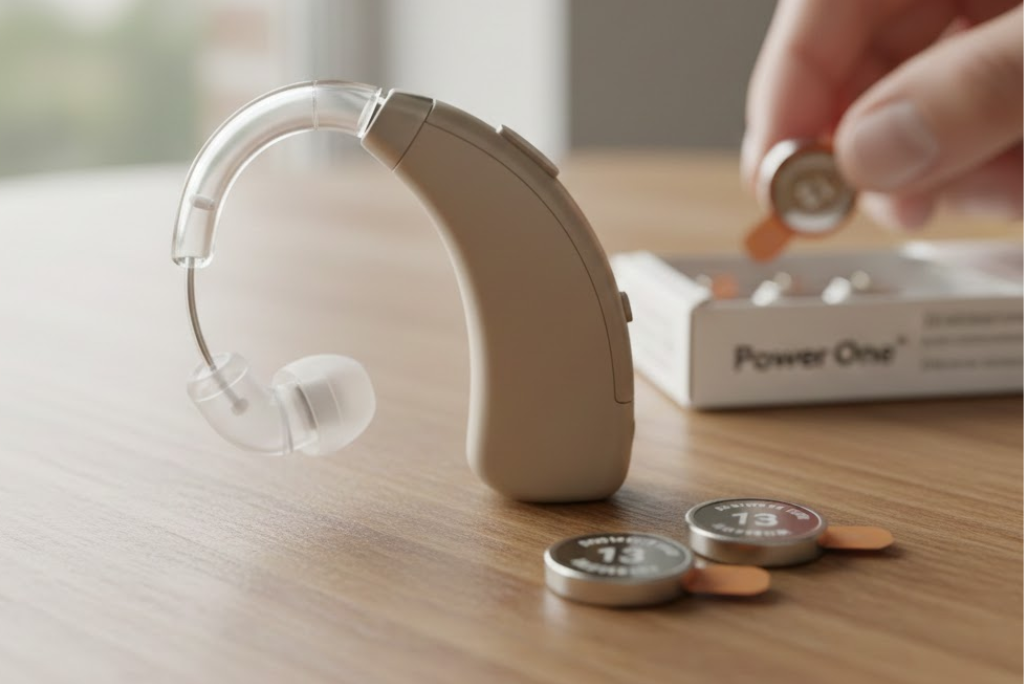
Rechargeable hearing aids offer more reliability than traditional battery models. Most can run all day with a full charge and come with a charging case. There’s no need to carry backup batteries or change them in hard-to-reach places.
This option lowers long-term costs and is more convenient. If you have limited hand dexterity or just prefer less maintenance, rechargeable batteries make daily use easier.
These models also tend to last longer on a single charge and are simple to power up overnight.
Related Article: Hearing Aid Battery Life
7. Artificial Intelligence
Some advanced hearing aids now include artificial intelligence (AI) to personalize how you hear. AI-powered devices learn your preferences and automatically adjust settings based on your location, habits, or noise levels.
For example, the device may learn that you prefer different volume levels while walking or watching television and adjust automatically. AI also helps manage features like noise reduction and directional microphones in real time.
For people who move through varied environments, AI helps reduce the need to manually change settings.
8. Connectivity
Connectivity features help your hearing aid work smoothly with other devices. This includes direct links with your phone, TV streamer, or even smart home devices. It’s useful for managing your devices more easily.
What you get with connectivity:
- TV streamers that send audio directly to your aid
- Smartphone apps for remote volume or program control
- Pairing with other medical devices, like fall detectors
- Linking to cloud storage for custom settings backup
These tools create a more flexible and dependable hearing experience for tech-savvy users.
Tailoring Features to Hearing Needs
Not everyone needs every feature. What's best for someone with mild hearing loss might be different from what works for someone with more advanced issues. Consider the type of environment you're in most often.
If you spend a lot of time in quiet places, you might not need aggressive noise reduction or directional microphones. But if you often find yourself navigating crowds or meetings, those features become critical.
For severe hearing loss, feedback suppression and AI adjustment become more important. These users need clarity, not just volume. Similarly, if you're using your hearing aid across devices—streaming audio or taking calls—then connectivity and Bluetooth can make that much easier.
It helps to work with a hearing specialist to identify which features match your hearing needs. They can test which types of hearing aids offer the best sound quality based on the results of your hearing test and your daily routine.

Considering the Nova Hearing Aid
If you're exploring options that include many of the features listed above, the Nova Hearing Aid is worth a look. It includes an impressive range of advanced tools designed to give you the best possible hearing experience—whether you’re in quiet conversation or navigating a noisy street.
Nova doesn't just focus on amplification; it supports real-world hearing needs with technology that adapts to your environment. It’s built to offer strong sound quality, all-day comfort, and ease of use without overcomplicating things.
While every person’s situation is different, Nova covers a wide range of listening needs, making it a strong solution for many types of hearing loss.
Related article: Disposable vs. Rechargeable Hearing Aids: Which Battery System is Right for You?
Choosing Features That Fit Your Life
Hearing aids have evolved. Today’s models are more than amplifiers—they're sophisticated tools built to improve sound quality in real-world settings. From AI and rechargeable batteries to simple features like directional microphones, each function plays a role in making life easier for individuals with hearing loss.
Selecting the right combination of features isn’t about choosing the most advanced device. It’s about choosing the hearing aid that works for you, in the environments you live in, with your unique needs in mind.
For long-term success, focus on clarity, comfort, and control. The right features can make all the difference.

Leave a comment
This site is protected by hCaptcha and the hCaptcha Privacy Policy and Terms of Service apply.